



Description
Features:
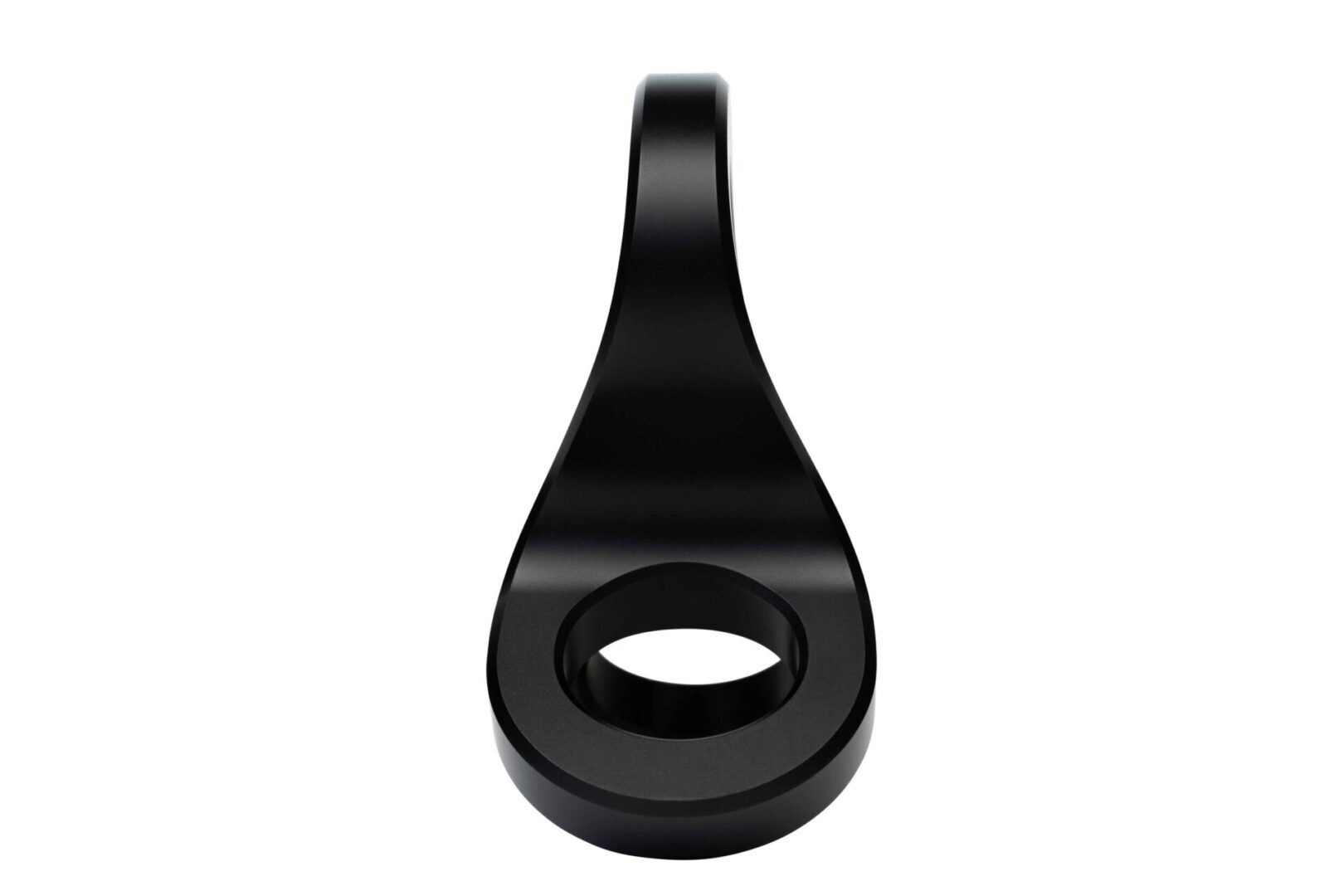
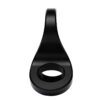
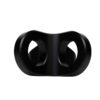
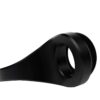
- Multi-planar rigging plate with perpendicular attachment points
- Optimizes device alignment for twin tension rope systems (TTRS)
- Enables single operator control for better shared tension
- Promotes smooth loading / unloading of connected hardware
- Allows components to move freely and orient toward the load
- Reduces shifting / extension in the event of line or anchor failure
- Aligns secondary points for high strength and easy load sharing
- Supports a variety of connection methods for versatile rigging
- Provides large collection points for building redundant systems
- Primary attachment point fits two (G) or three (T) carabiners
- Secondary attachment points fit one (G) or two (T) carabiners
- Simple and solid aircraft grade aluminum with no moving parts
- Strong, compact, and lightweight for multiple applications
Certifications:
- NFPA
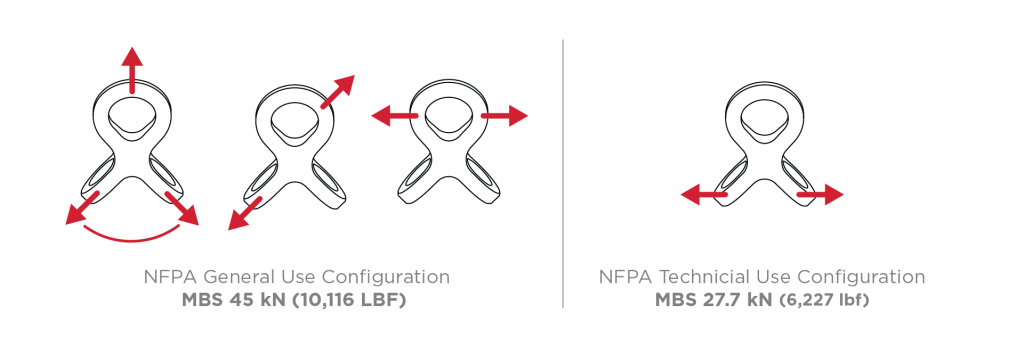
- GENERAL USE (G) MBS 45 KN (10,116 LBF) – SPECIFIC CONFIGURATIONS*
- TECHNICAL USE (T) MBS 27.7 KN (6,227 LBF)
- CE
- PPE-R/RFU 11.114 VERSION 01
*Refer to the following diagrams for MBS. See User Manual for details.
More About TTRS:
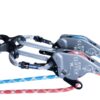
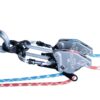
SQUID is purpose-built to optimize device alignment in twin tension rope systems (TTRS). It simplifies the technique of bringing two devices together in a mirrored, dual handle orientation and allows a single operator to provide simultaneous twin tension control. By maintaining shared tension across two rope systems, there is reduced risk of single line failure. If such a failure does occur, TTRS has the advantage of limiting shock and extension by transferring the load to an already stretched and loaded rope. While TTRS can be deployed in a variety of ways, using the SQUID to bring two CLUTCHES together in DOUBLE CLUTCH Technique creates a lowering/hauling system that meets best practices, minimizes failure risk, and offers the potential to reduce personnel requirements.
More About Rig Plates:
Rig plates are a key piece of equipment for building anchors, managing rope systems, and organizing connections. Using a rig plate assists with cleaner operations by spacing out components and making each part easier to assess. The SQUID’s multi-planar secondary attachment points have the added benefit of aligning multiple devices and separate lines in distinct order, keeping them orderly and easy to control. The SQUID also serves as the collection point for a variety of attachment methods and allows building connections to multiple secure anchor points. Larger rig plates and anchor plates may have increased potential for rotation and system extension if any movement or failure of an anchor occurs. The SQUID is strong and compact with inherent load sharing capabilities. It naturally orients toward the load, letting components move freely and reducing the risk of binding and load shifting in the event of dynamic or directional impacts to the system.
| WEIGHT | MATERIAL | COLOR | DIMENSIONS | MINIMUM HOLE DIAMETER | CERTIFICATION | 3 SIGMA MBS |
|---|---|---|---|---|---|---|
| 240 G (.52 LB) | ALUMINUM | BLACK | 10.4 X 8.4 X 5.1 CM (4.1 X 3.3 X 2.0 IN) | PRIMARY 3.6 CM (1.42 IN); SECONDARY 2.7 CM (1.07 IN) | NFPA (G) – SPECIFIC CONFIGURATIONS; NFPA (T); CE | 45 KN (10,116 LBF) – SPECIFIC CONFIGURATIONS; 27.7 KN (6,227 LBF) |